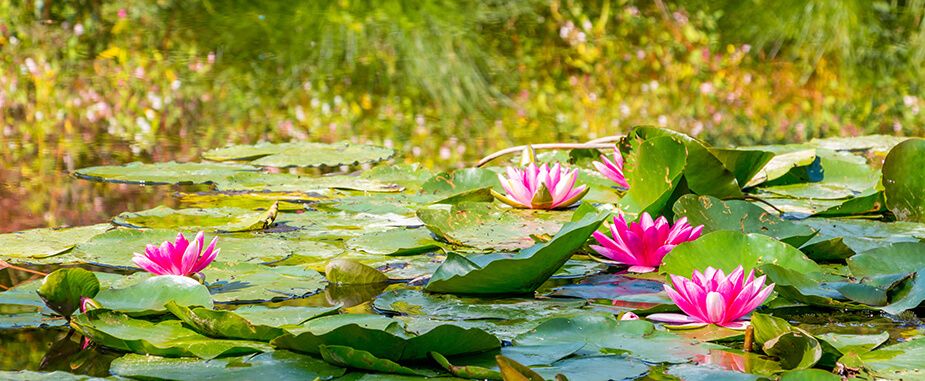
Day trip in Monet’s Garden and House in Giverny
11 tour(s)
Active filters:

Half day trip Giverny Monet's Gardens Excursion at your leisure from Paris
Visit Claude Monet's house and the magnificent flower gardens that inspired his impressionist art at your own pace.
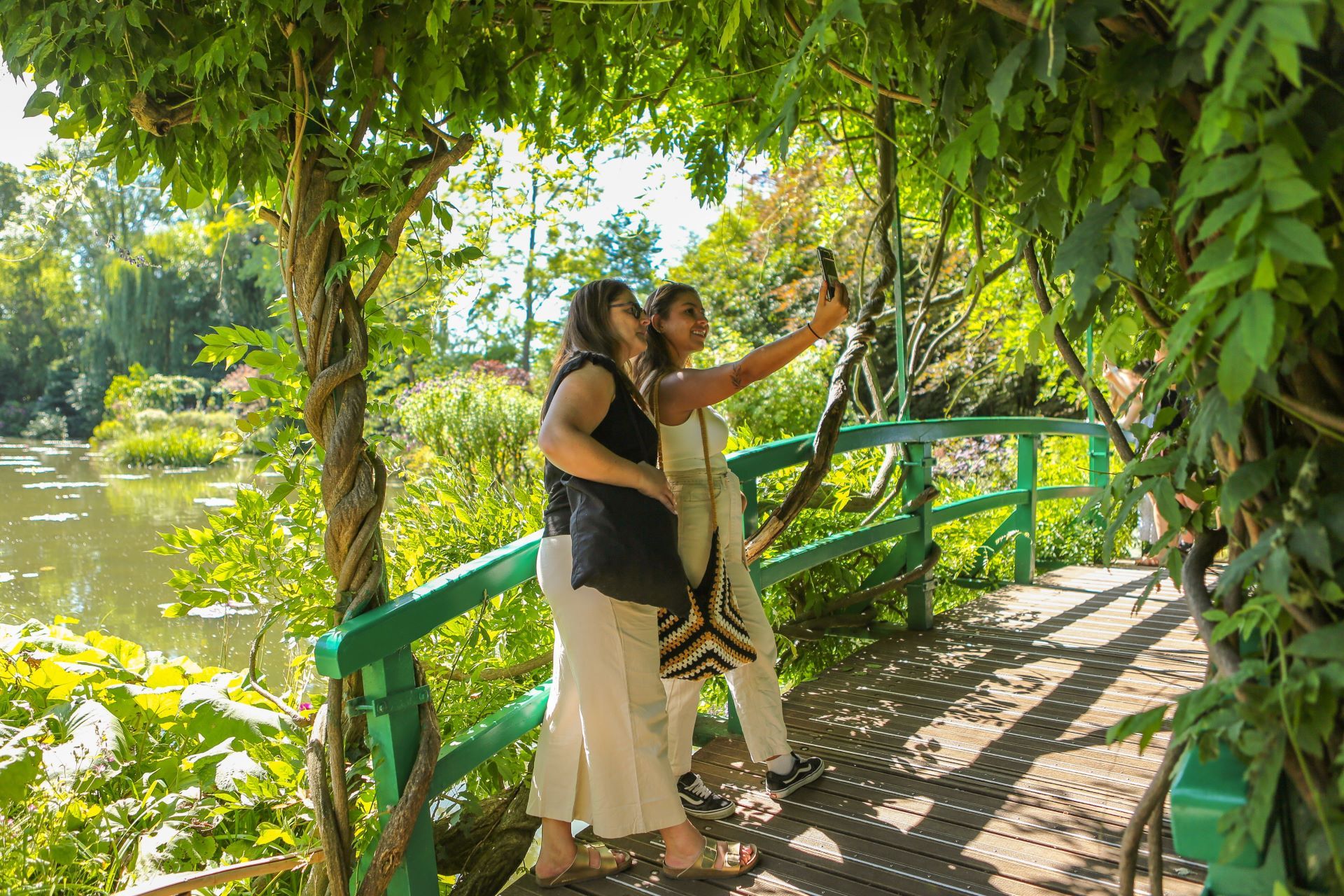
Half Day Trip Giverny Monet's Gardens Audio Guided Tour from Paris with transportation
Visit Giverny, Claude Monet's garden and home with an audio commentary tracing the life and works of this master of Impressionism.
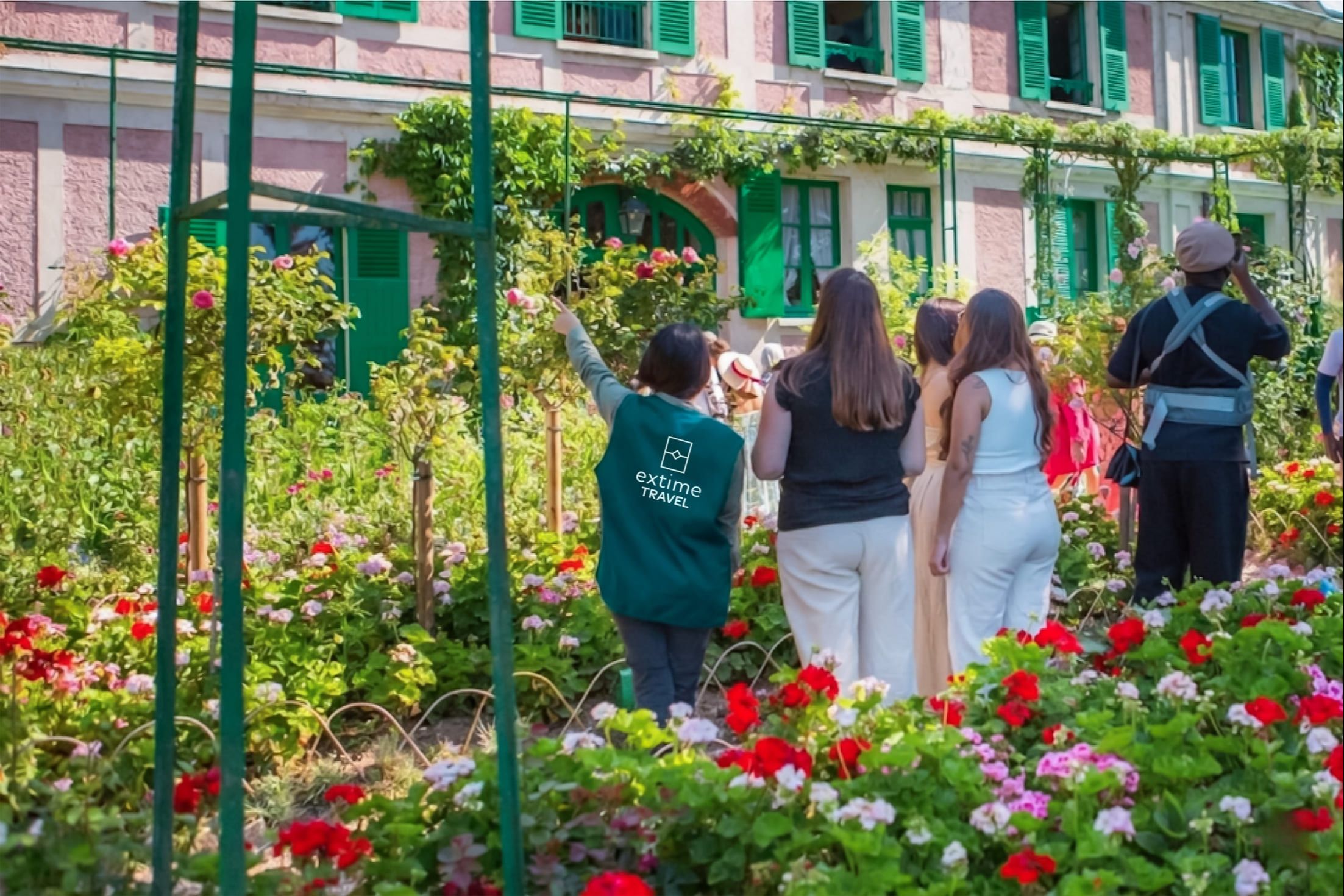
Half Day Trip Guided Tour of Giverny Monet's Gardens from Paris with transportation
Visit the gardens of Giverny. Take your time as you amble along the exquisite flower beds and inside the house of Claude Monet.
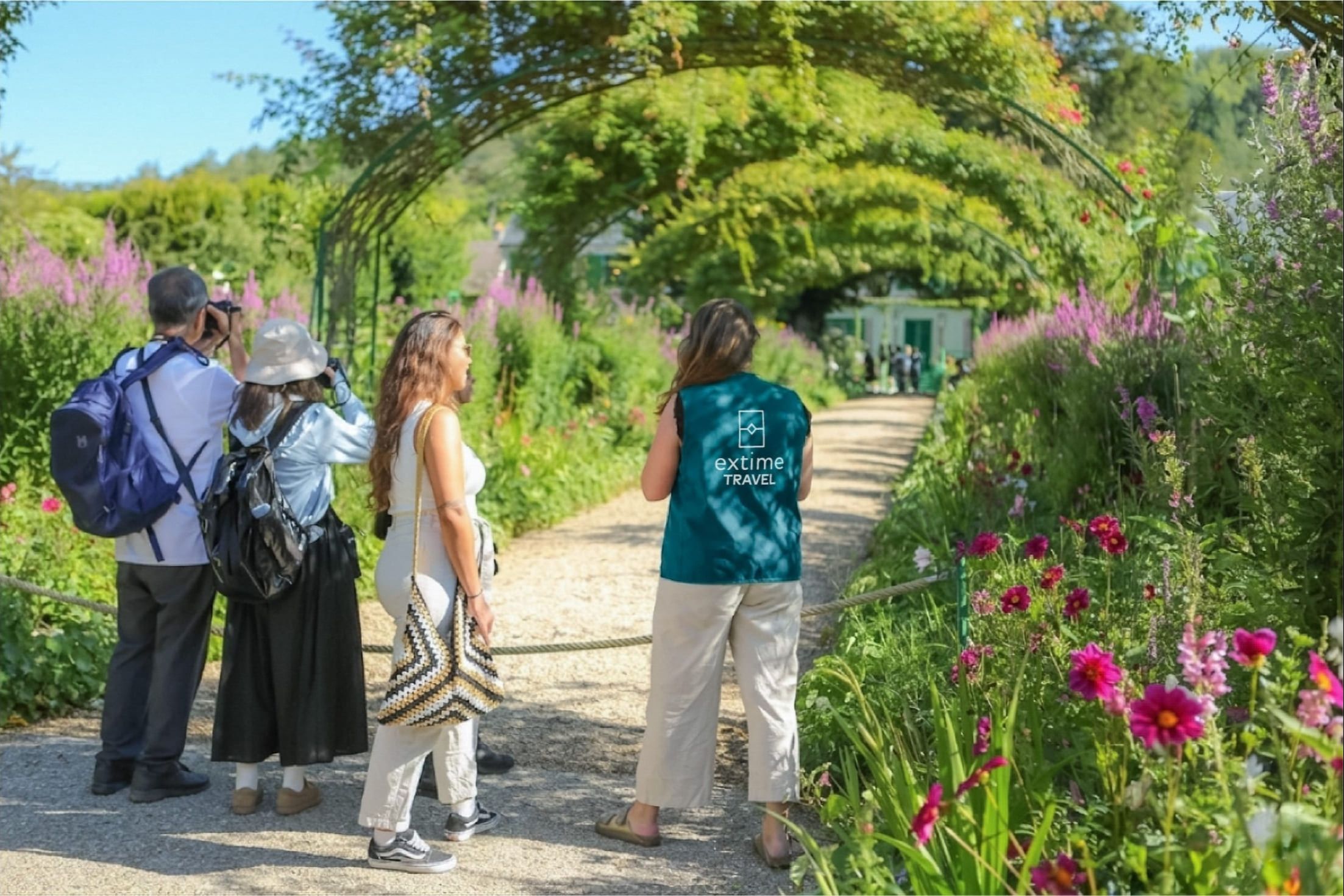
Impressionist day trip at Giverny from Paris with transportation
Immerse yourself in the impressionist world of Claude Monet.
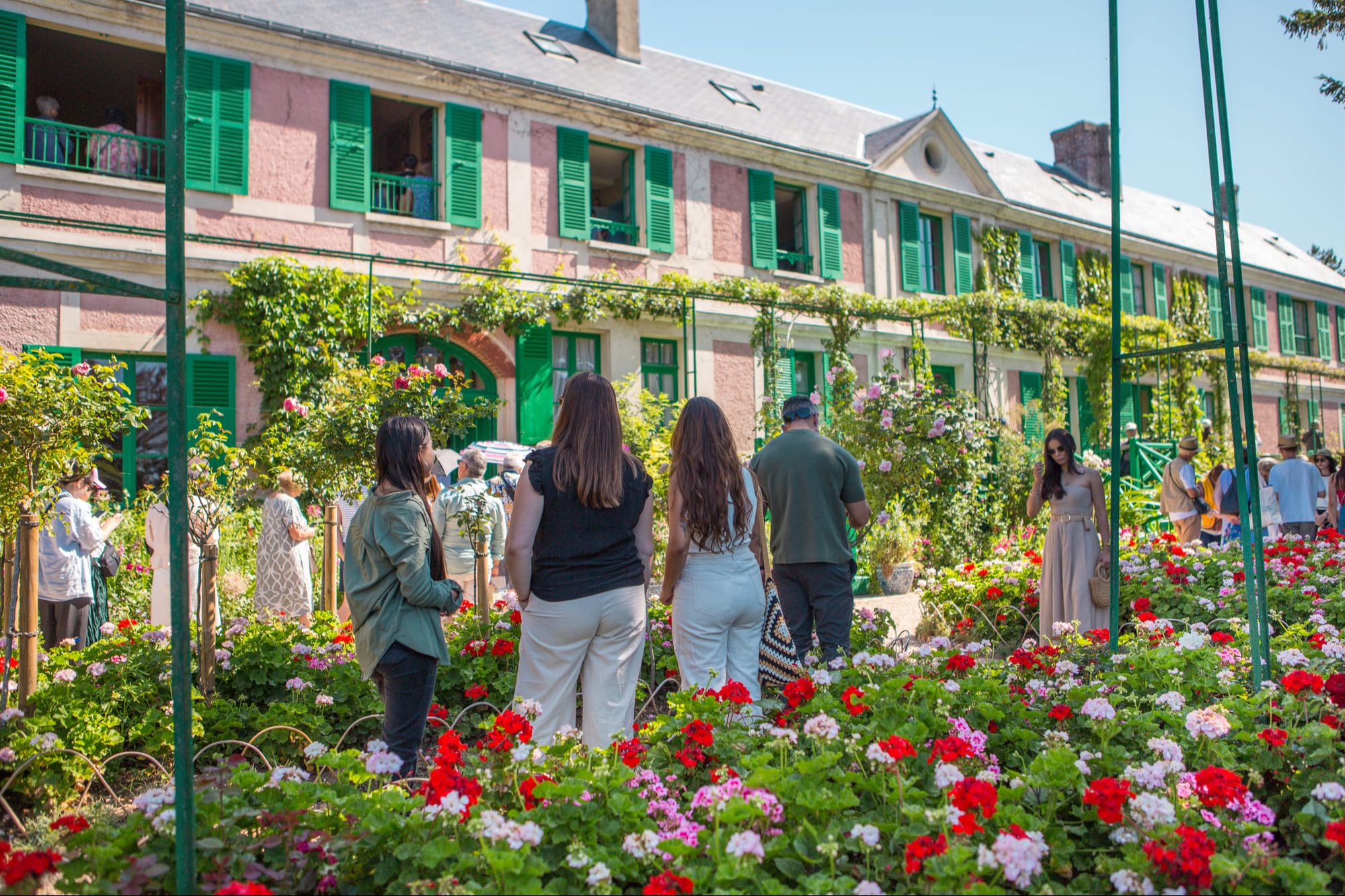
Audio Guided Tour of Giverny Monet's Gardens and the Palace of Versailles Day Trip (lunch and transportation included)
A guided day tour with two must-see destinations close to Paris. Discover the Gardens of Giverny, with free time to visit the studio and House of Claude Monet. Then head to the Palace of Versailles, with free time to stroll through the gardens. Stop for lunch at Moulin de Fourges or Bistrot du Moulin.

Day Trip to Monet's Gardens in Giverny & Versailles: Guided Tour with Lunch & Transport
A guided day tour with two must-see destinations close to Paris. Discover the Gardens of Giverny, with free time to visit the studio and House of Claude Monet. Then head to the Palace of Versailles, with free time to stroll through the gardens. Stop for lunch at Moulin de Fourges.
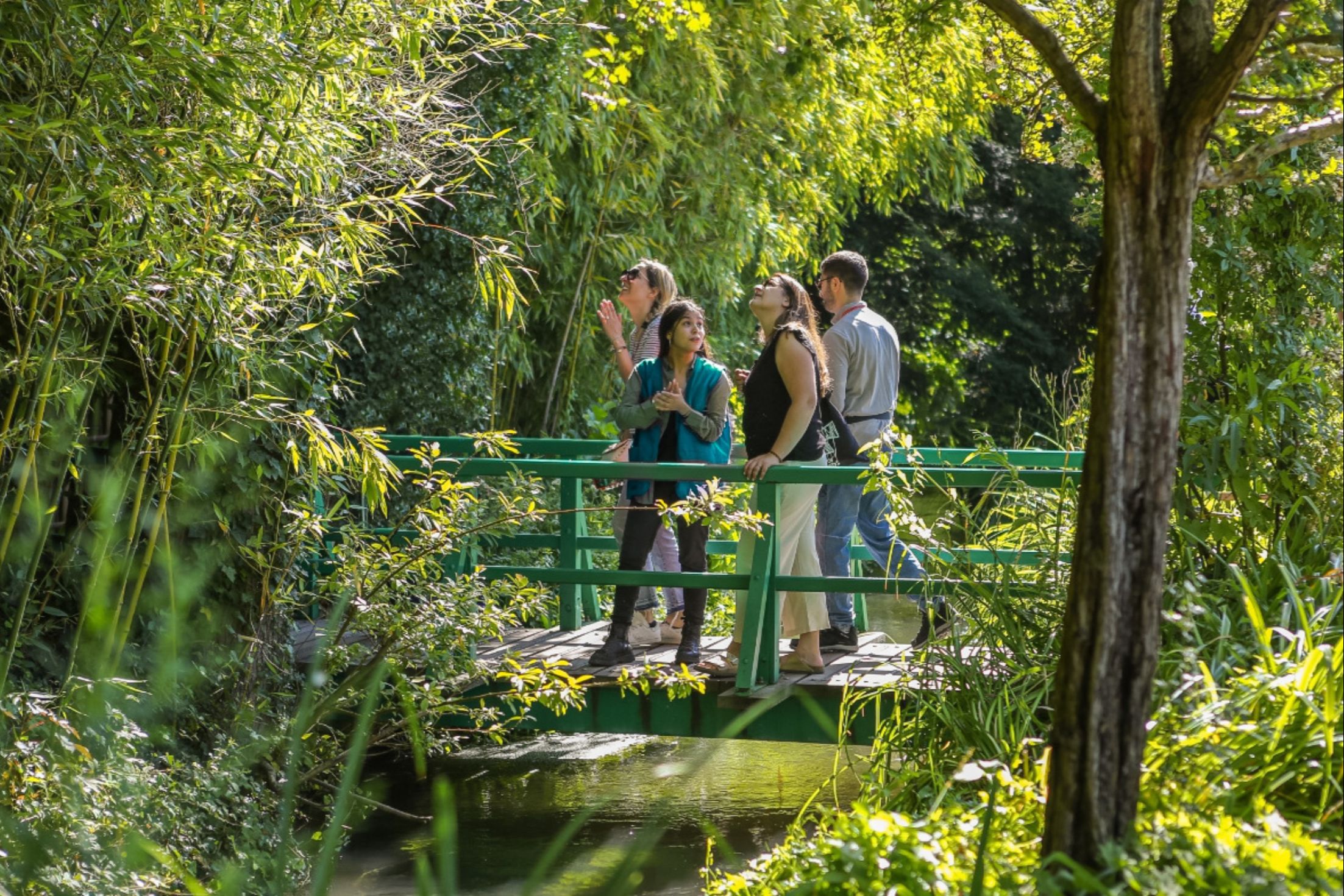
Small-Group Day Trip to Giverny & Versailles: Guided Tour with Lunch & Transport (1–15 people)
In a small group or private tour, go and discover Versailles and Giverny. The Monet Foundation with its magnificent gardens, his house, and the picturesque Norman village of Giverny. And the majestic Palace of Versailles.
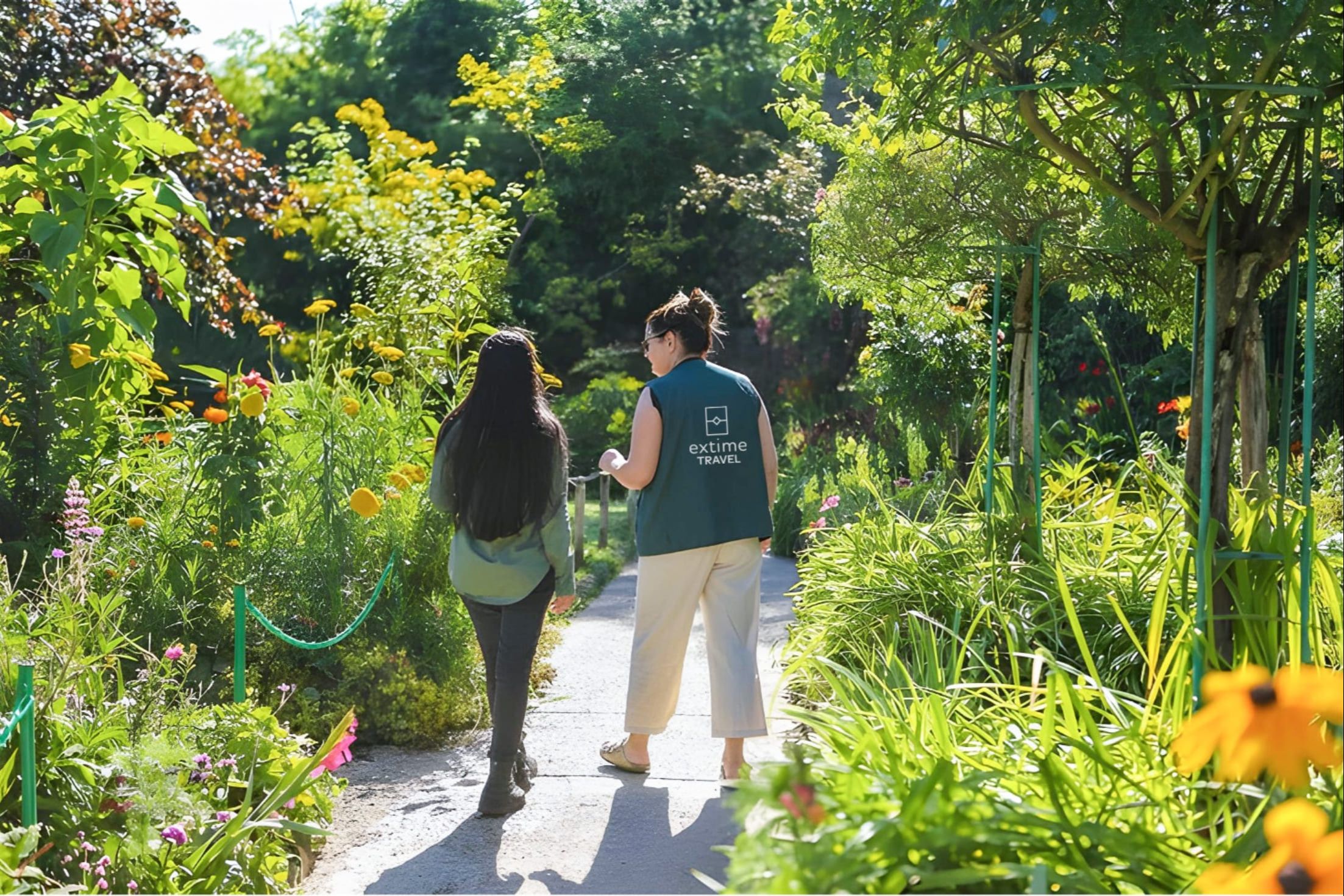
Private Half-Day Guided Tour of Giverny Monet's Gardens with roundtrip transportation from Paris (1-7 people)
Private tour of 8 participants maximum. Visit the gardens of Giverny and the House of Claude Monet. Free time to visit the Museum of Impressionism. Transport by minibus from your place of residence.
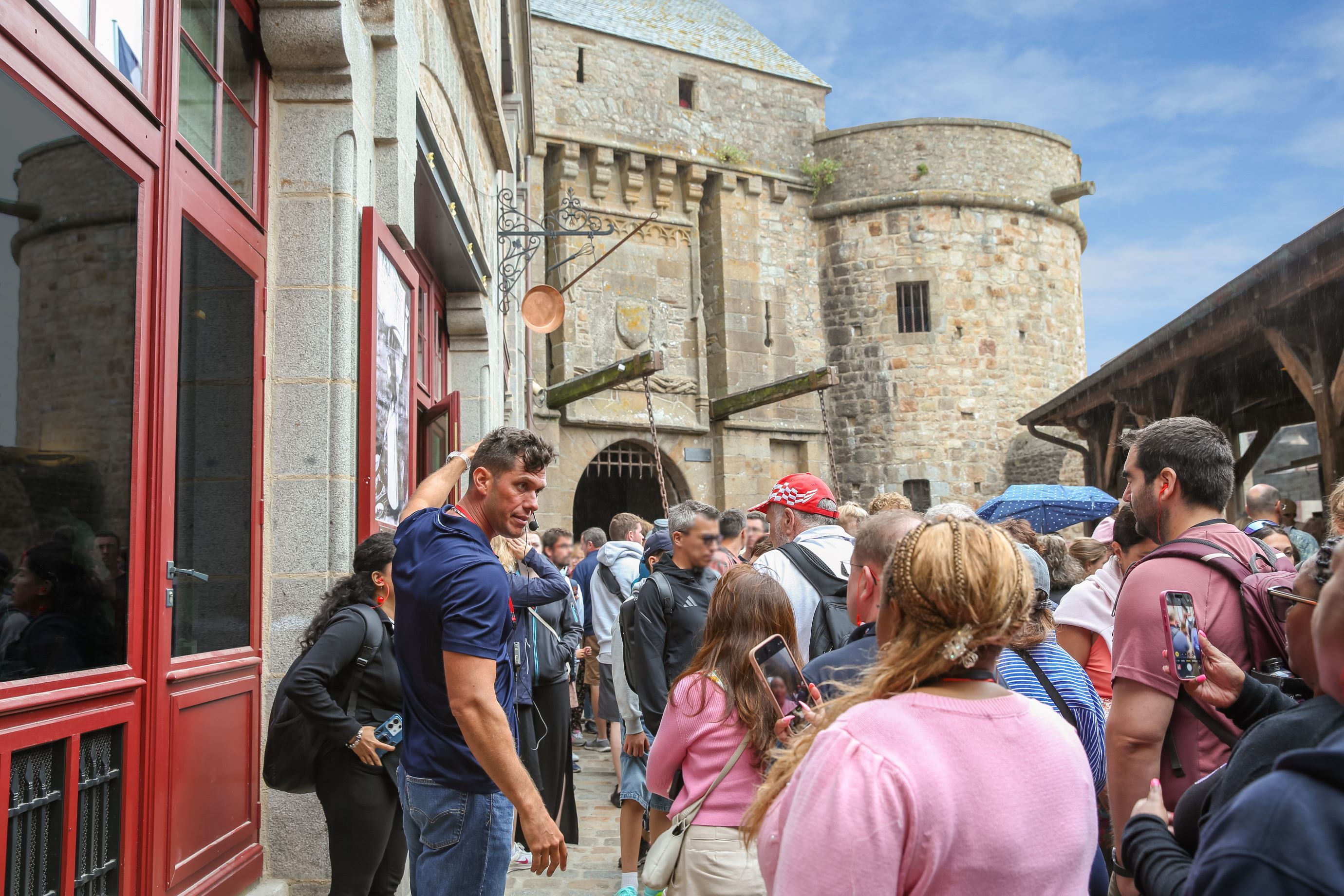
Multiday tours from Paris : 6 days and 5 nights package
Experience the best of Paris and beyond with this 6-day tour: explore the Louvre, Eiffel Tower, Versailles, and Giverny, enjoy a Seine dinner cruise and Moulin Rouge show, and visit Mont-Saint-Michel.
Multiday tours from Paris : 7 days and 6 nights package
Experience the best of Paris and beyond with this 7-day tour: explore the Louvre, Eiffel Tower, Versailles, and Giverny, enjoy a Seine dinner cruise and Moulin Rouge show, and visit Mont-Saint-Michel and Normandy beaches.
Multiday tours from Paris : 8 days and 7 nights package
Experience Paris and beyond with this 8-day tour. Explore the most of Paris (Louvre, Eiffel Tower, the Seine in a diner cruise, the Moulin Rouge). And more Versailles and Giverny, the Mont-Saint-Michel, Normandy beaches and the Loire Valley castles.
Giverny tours from Paris : Guided tours of Claude Monet garden and house
Portrait and landscape painter Claude Monet founded the painting style known as Impressionism -- a French pictorial movement that would mark a turning point in the history of painting during the 19th century -- along with Pierre-Auguste Renoir and Alfred Sisley. With Monet, everything changed; the use of colors, light, and subjects.
Guided visit of Giverny Monet
The French region of Normandy in the Eure territory would become one of his main sources of inspiration, most notably the town of Giverny, near Vernon, situated in the Parisian region near Barbizon and Auvers-Sur-Oise. Monet lived in Giverny for 43 long years (1883-1926) in a charming home that is now a museum and a registered historical monument. In fact, Monet’s house and gardens welcome 500,000 visitors a year (we highly recommend choosing skip-the-line tickets for a free or guided tour). Each visitor has the chance to personally discover the Impressionist master and his family in their romantic home superbly preserved and surrounded by trees and flowers, all of which appear to bathe in an impressionistic light. This house was truly one of the most faithful muses of the painter, to such an extent that one could speak of a real couple: Giverny Monet, or the story of a place and an artist who became truly inseparable.
At the Giverny residence, one can tour his workshop-living room and bedrooms as well as admire his furniture, famous collection of Japanese prints (another source of inspiration for Monet), and a plethora of colors. Outside, the water garden lures you into an aesthetic universe overflowing with different flowers chosen by Monet -- wisteria, azalea, rose and peony to name just a few. There’s also a pond, a Japanese bridge, weeping willows and of course, the water lilies immortalized in his paintings and in the series, Water Lilies or Les Nymphéas, which became one of Claude Monet's most famous paintings (even though he was nearly blind!) and which is now housed at the Orangery Museum in Paris. Monet's works of art are at the source of Impressionism.
Monet was buried at the Giverny Cemetery in 1926. In homage to Monet, a yellow and red rose that bears his name was made. The home and gardens of Monet in Giverny are like a veritable, living painting in which one can wander at leisure, a natural masterpiece saved from destruction thanks to American patrons and donors.
Visit Giverny with Monet
Paris City Vision offers an excursion to the Claude Monet Foundation (84, rue Claude Monet, 27620 Giverny) that houses the home, workshop, and gardens of Monet. You can also discover the Giverny Museum of Impressionism. Order your skip-the-line tickets on our website and save time during your guided or self-guided tour of the Giverny Museum and its gardens.
The Foundation is open every day from April 1 to November 1, 9:30 am to 6 p.m. Book your Giverny skip-the-line tickets online with Paris City Vision and save time!
But if the village Giverny owes a lot to painters, it also deserves to be visited for its many other qualities. The landscapes that have conquered nineteenth and twentieth-century artists continue to amaze visitors today. The hillsides of Giverny offer striking views of the surrounding northern countryside, between woods, glades, and fields, and walk through several marked trails. You will discover sometimes, leaving the canopy of the trees, the point of view chosen formerly by Monet or one of his colleagues to testify the beauty and the light of Giverny.
FAQs
Frequently asked questions
Haven’t found what you’re looking for? Try to Contact us we’re here to help.
Giverny Tour
Who was Claude Monet?
Claude Monet (1840–1926) was a celebrated French painter and the founder of the Impressionist movement. He sought to capture the changing effects of light and color, as seen in his famous Water Lilies and Cathedral series. His distinctive style transformed the way artists approached painting, focusing on how the eye perceives a scene in a single fleeting moment.
How much time do I need at Giverny?
A visit to Giverny usually takes between two and three hours. This allows enough time to explore Claude Monet’s beautifully preserved home, stroll through the flower gardens, and admire the iconic water lily pond that inspired many of his masterpieces. If you’re joining a day trip from Paris, plan on spending about half a day (around 5 hours) or a full day (approximately 10 hours), depending on the tour package you choose, with round-trip transportation included.
Is a day trip to Giverny worth it?
Absolutely. Visiting Claude Monet’s house and gardens in Giverny, Normandy (about 50 miles northwest of Paris) appeals not only to art lovers but to anyone drawn to beauty and tranquility. The estate has been meticulously maintained, offering a peaceful journey back in time. The charming village of Giverny itself, with its cafés and stone cottages, makes the perfect countryside escape from Paris.
What is the best time to visit Giverny?
The Giverny estate is typically open from April through late October. Spring and early summer are the most stunning times to visit, as the gardens are in full bloom and bursting with color. May and June are particularly beautiful months, with vibrant flowers and moderate crowds. To avoid peak attendance, consider visiting outside school vacation periods or on weekdays.
How can I visit Monet’s gardens in Giverny?
Monet’s house and gardens are open for self-guided visits, allowing you to explore freely at your own pace. However, joining an organized excursion from Paris offers a more relaxing and enriching experience. A guided tour or audio guide provides fascinating insights into Monet’s life, his inspirations, and his role in the Impressionist movement. PARISCityVISION offers comfortable, worry-free tours that include transportation and skip-the-line access.
Should I book Giverny tickets in advance?
Yes, it is strongly recommended to book your ticket or guided tour ahead of time, especially between May and September when visitor numbers are at their highest. Monet’s gardens attract travelers from all over the world. Booking with PARISCityVISION ensures your spot, provides skip-the-line entry, and lets you choose from different tour formats tailored to your interests — from half-day getaways to full-day excursions.
Can I visit Giverny from Paris in half a day?
Yes, you can. Several tours offer half-day trips to Giverny with round-trip transportation from Paris included. You’ll have enough time to explore Monet’s house and gardens at a comfortable pace before returning to the city. This five-hour format is ideal if you want a peaceful escape without worrying about logistics.
What can I do in Giverny if it rains?
Even in the rain, Giverny retains all its charm. The flowers and ponds take on new reflections and colors that reveal a different kind of beauty. Bring an umbrella or a waterproof jacket and wear comfortable shoes so you can make the most of your visit. You can also take shelter indoors by visiting Monet’s house or the Museum of Impressionism Giverny, both excellent options for rainy weather.
